Last updated: November 3, 2026
Best Pets for Trading in Grow a Garden
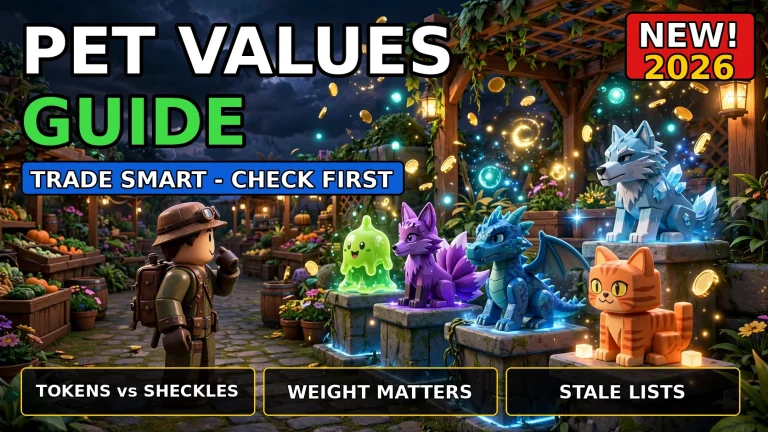
The best pet for trading is the pet other traders actively want, at a value you can prove. A famous pet with a huge price tag but no buyers is a worse trade asset than a mid-value pet that changes hands every day. This guide ranks trading pets by what traders actually do: how fast a pet moves, whether it trades upward in steps, and what it does for its owner.
Trading Pets Differ From Farming Pets
A farming pet earns for you while it sits in your garden. A trading pet earns when someone else wants it more than you do. Those are different jobs, and the best pet at one is often average at the other. A pet with a strong farming ability but low demand can sit unsold for weeks. A pet with a modest ability but a famous name can move in an hour. Judge a trading pet by demand first, farming value second.
Liquidity: Pets Other Traders Actually Want
Liquidity means buyers exist right now. Kitsune and Raccoon sit at the top of community demand tables for Grow a Garden 1 because traders know them, want them, and trust their value. Disco Bee and Butterfly follow close behind. A liquid pet has three signs: many listings, fast replies, and prices that cluster close together. If every listing for a pet is weeks old and prices are all over the place, that pet is not liquid, no matter what one tier list says.
Ladder Pets: Trade Upward in Steps
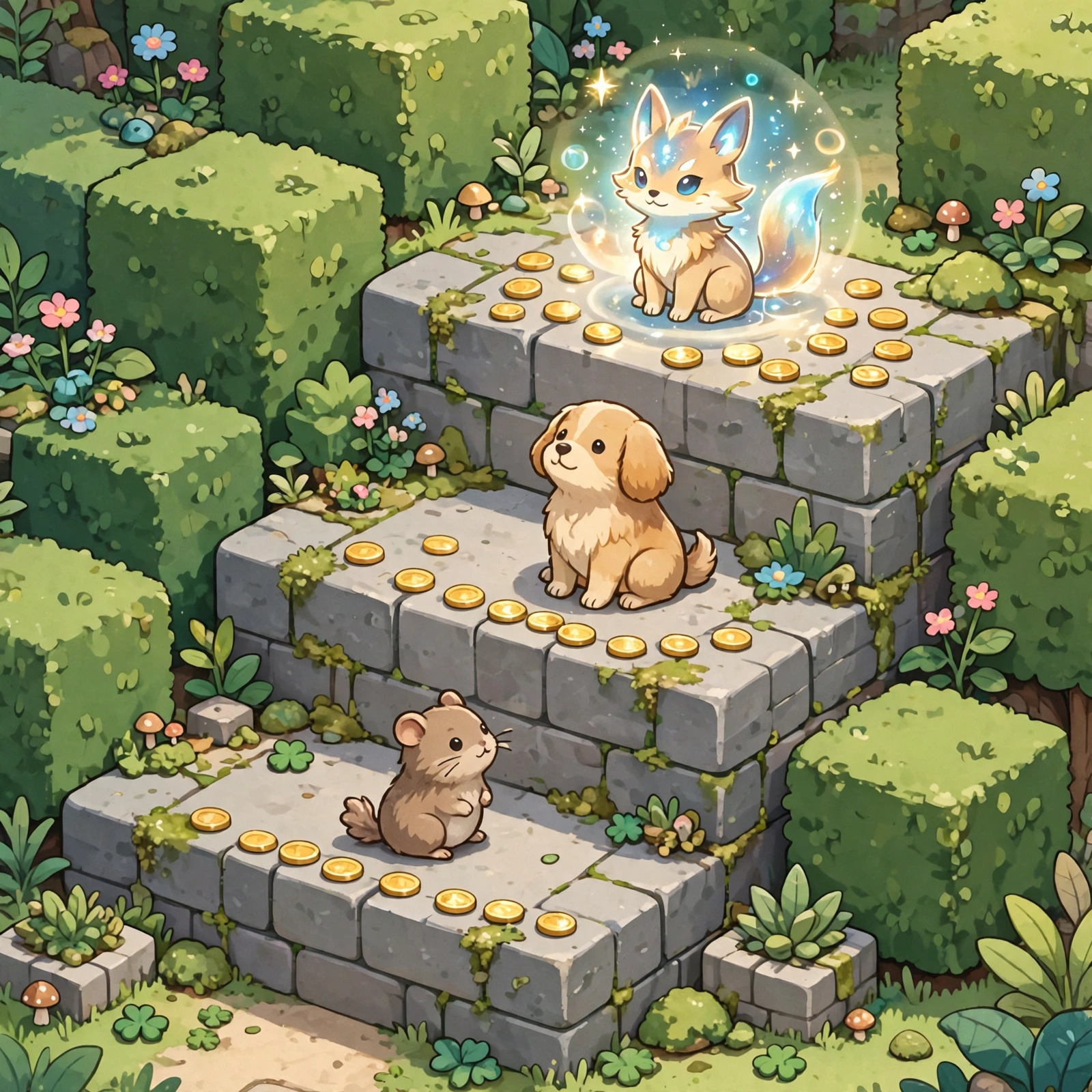
A ladder pet is one you trade, then trade again, climbing toward a high-end pet. The best ladder pets are mid-value, well-known, and easy to price. You trade a small bundle upward into one ladder pet, then that pet plus a little extra into the next step. The mistake is jumping straight for the top pet. Ladder trading works because each step is a deal the other side also wants. If a step only benefits you, it will not happen.
Utility Pets: Valued for Use, Not Rarity
Some pets hold value because of their ability, not their rarity label. A pet that speeds growth, adds mutations, or defends a garden at night is useful every day, so owners are slower to sell and buyers are willing to pay. Utility value is steadier than hype value. Hype fades after an event. A useful ability keeps paying until the game changes it, so check patch notes before paying a premium for any ability-based pet.
Best Trading Pets by Trader Goal
Your goal decides your pet. A flipper, a climber, and a holder should not buy the same pet.
Fast Flips and Everyday Trades
For fast flips, buy liquid pets at the low end of their price range and sell near the middle. Kitsune, Raccoon, Butterfly, and Disco Bee are the usual names in Grow a Garden 1 because demand is deep. In Grow a Garden 2, traders name Unicorn and Golden Dragonfly as the liquid high-end names, with Ice Serpent scarce because it takes guild effort to obtain. A flip only works if you can check the current value first. Never flip a pet you cannot price.
Building Toward a High-End Pet
Climbing to a top pet takes patience and records. Start with free crops and low-value pets, trade up in small steps, and write down every trade: what you gave, what you got, and the date. Over weeks, those records teach you which pets rise and which stall. One guide's ladder advice is simple and honest: several lower-value items can feel like a better deal to the other side and get accepted more readily, but the total value still has to be checked. Count, not item count, decides fairness.
Holding Stable Stores of Trade Value
A holder wants a pet whose value does not swing wildly. Famous, high-demand pets with steady utility tend to hold value better than event pets that spike and crash. But no pet is a safe bank. A patch can change an ability, a new event can flood supply, and a dupe wave can crush trust in a pet overnight. Hold a pet you understand, and recheck its value before every trade, even if you have held it for months.
High Price Differs From Easy Trading
A pet can be worth a fortune on paper and still be hard to move. High-end pets have fewer buyers, bigger price gaps between listings, and longer waits. A seller asking the top price for a rare pet may wait weeks for one buyer, while a mid-value pet sells the same day. Before paying a top price, ask: who buys this pet next, and at what price? If you cannot name the next buyer, you are not buying a trade asset. You are buying a trophy.
Weight, Cooldown: Condition Changes Trade
Two pets with the same name are not the same trade. Weight, age, mutation, and cooldown change value sharply. Value pages treat weight and class as major inputs, and a pet should be checked at its exact weight, not by name alone. A Huge or Titanic pet with a shorter cooldown is worth more than a Normal pet of the same species, and the gap grows for pets whose ability scales with weight. Always state the weight, age, and mutation when you list a pet, and always ask for them when you buy one.
Dupe-Risk Pets: Extra Checks First
The most-traded pets are also the most-duplicated pets. Before accepting a rare pet, run the dupe checks: compare type, name, age, and weight against reported duplicate lists, and check serial numbers where the method applies. A match is a warning to investigate, not proof, and no match is not proof of legitimacy either. If a seller refuses to share the details you need to check, walk away. A refused check is itself a red flag, and no bargain is worth a pet that can be removed later.
When to Hold, Exit Trading Pets
Hold a trading pet when an event is coming that could raise its value, when its ability is about to matter more, or when demand is rising and you can afford to wait. Exit when you have not checked its weight or mutation, when the other side is rushing you past verification, or when the trade moves you toward your goal at a fair price. The worst time to trade is under pressure. Urgency is a classic scam tool: a real deal will still be fair after you check it.
Mistakes Traders Make With Best Lists
The biggest mistake is treating a list as a price. Demand scores are opinion scores, not market measurements, and dated snapshots go stale fast. Another mistake is trading a pet you love using for a paper-fair deal that hurts your own farm. A trade can be fair on numbers and bad for you personally. A third mistake is trusting one value source. Check values independently, compare demand as well as price, and remember that Grow a Garden 1 and Grow a Garden 2 rankings are not interchangeable. Unicorn tops one game's list and barely appears on the other's.
| Trader goal | Best approach | Pets traders name most |
|---|---|---|
| Fast flips | Liquid pets, low end of range, sell near middle | Kitsune, Raccoon, Butterfly, Disco Bee (GAG1) |
| Climbing to high-end | Small upward steps, keep trade records | Mid-value ladder pets, then Unicorn / Golden Dragonfly (GAG2) |
| Holding value | Famous, useful pets, recheck before every trade | High-demand utility pets, not event hype pets |
Conclusion
Trade the pet other traders want, at a value you can prove, in the condition you can state. Check weight, mutation, and dupe risk before every deal, keep records of your trades, and never let urgency skip the check. A good trading pet is not the most expensive pet. It is the pet that moves, holds its value, and moves you one step closer to your goal.
Frequently Asked Questions
There is no single best pet: SixStoreys' Grow a Garden 1 table puts Kitsune first at 10/10 demand, while RPGStash's Grow a Garden 2 answer is Unicorn. The best pet depends on the game and on your trading goal.
Not by price alone. A high price is not the same as easy to trade; demand and liquidity matter as much as raw value, and a pet other traders actively want moves faster.
Because price alone does not move a pet: low liquidity, poor condition (weight or cooldown), or dupe risk can put traders off even when the listed value is high.
Yes. Weight and class are a major value input on value and WFL pages, so a pet should be checked at its actual weight before any trade.