
Pet Tier List · List
Grow a Garden Pet Tier List — Ranked by Role
Last updated: November 3, 2026
Tool note (tool on top, existing tool unchanged): The tier list sits at the top of this page as a reference table. This article explains how to read it. The tier lookup below uses this page’s tiers.
Search the pets this page actually names, by name, tier, or role. Only pets named on this page appear here — nothing is added from other lists.
B-, C- and D-tier sections on this page name no individual pets — they describe those tiers generally — so the tier filter offers S and A only. Tiers describe ability, not availability: some S-tier pets can no longer be hatched and exist only through trades.
How Tiers Are Ranked

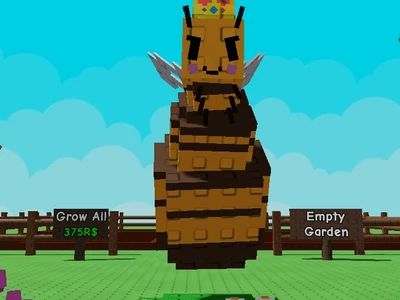
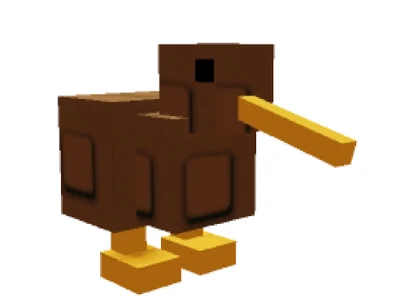
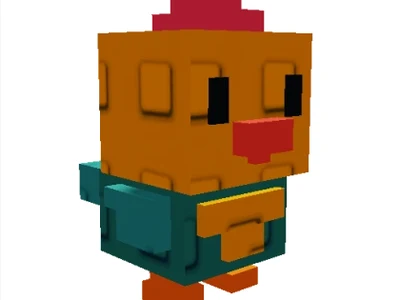
Every tier list is an opinion with a method behind it, and the method is what you are really reading. On the growagarden-calc page, the ranking scores ability utility, mutation synergy, Sheckle generation, hatch rarity, and event performance, as judged by that site’s editors across a 93-pet roster: S 17, A 29, B 28, C 13, D 5, F 1. The page states openly that this is an editorial ranking, not a live community vote. That honesty is useful, because it tells you exactly how much weight to give it.
Role First: Five Pet Jobs
This list ranks by role first and by raw power second. A pet earns its tier by doing a job well: changing crop value through mutations, speeding growth, generating XP, boosting harvests, or defending a garden. A pet that does one job brilliantly outranks a pet that does five jobs badly. When you read a tier, read the role beside it. A tier without a role is just a letter.
Why Lists Disagree on S-Tier
Other pages name a different S-tier trio — for example Jandel, Raiju, and Kitsune — while this page’s mutation-farming leaders are Capybara, Kitsune, Disco Bee, and Cosmic Whale. That disagreement is not a fact error on either side. It is a difference in ranking criteria: one list weights event performance, another weights everyday income, a third weights hatch cost. When two lists disagree, compare their criteria before you compare their letters. The list whose criteria match your garden is the list that matters to you.
S-Tier: Mutation Pets
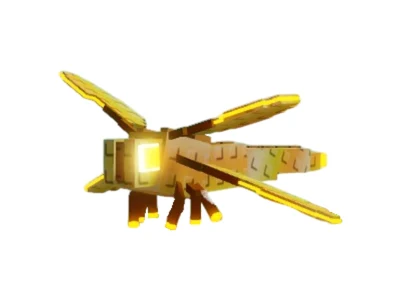
S-tier here means frequent end-game starters: pets that stay strong across income paths. The mutation pets dominate this tier because mutations are the largest multiplier on crop value in Grow a Garden. A pet that adds a mutation, or makes mutations land more often, changes the value of everything you grow. That leverage is why mutation pets sit at the top, even when their own trade value looks modest next to a flashier pet.
Dragonfly, Butterfly: Gold, Rainbow
Dragonfly and Butterfly lead the Gold and Rainbow routes. Gold and Rainbow are growth variants that sit outside the environmental mutation bracket, so they multiply a crop’s value after the bracket is calculated. A pet that applies Gold or Rainbow reliably turns an ordinary harvest into a high-value one. If your garden’s income depends on variant farming, these are the first pets to understand, and the first whose cooldowns and triggers you should learn by heart.
Raccoon, Kitsune Steal-Mutate Role
Raccoon and Kitsune cover the steal-and-mutate role. Raccoon duplicates fruit from other gardens, which is income without planting. Kitsune applies mutations, including the rare Chakra lines that other pets cannot reach. Both pets change what your garden produces rather than how fast it grows. That is a different kind of power from growth speed, and it is why they share a tier with the variant pets despite doing completely different jobs.
A-Tier: Growth, XP Engines
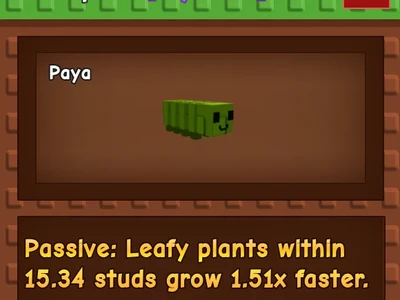
A-tier means excellent specialists or near-meta picks: pets that are superb at one engine of the game. Growth and XP engines live here. They do not change crop value directly, but they change how fast everything else happens — how fast pets level, how fast crops grow, how fast cooldowns return. A garden with a strong A-tier engine and a good S-tier mutation pet usually beats a garden with two S-tier pets and no engine at all.
Owl Stacking, Pet XP Rate
Owl stacking is the clearest XP engine in the game. Owls add XP per second to pets around them, and multiple owls stack. The pet XP guide’s rates — Night Owl, Blood Owl, and the Owl stack total — are community figures, not in-game verified constants, so treat them as a planning range rather than a promise. Even as a range, the point stands: XP rate is a garden-wide resource, and the pets that raise it raise every other pet’s value over time.
Capybara, Meerkat Cooldown Support
Capybara and Meerkat cover cooldown support. Capybara boosts nearby pets, and Meerkat’s lookout advances another pet’s ability cooldown. Cooldown support is easy to undervalue because it produces nothing directly. Its value shows up in how often your best abilities fire. A mutation pet that fires twice as often is effectively twice as strong, and the support pet that makes that happen earns its A-tier place.
B-Tier: Situational Specialists
B-tier means solid mid-game pets and niche covers. These pets are not weaker in some absolute sense. They are narrower.
Pets That Shine in One Setup
A B-tier weather pet can beat an S-tier generalist during its own weather window. A B-tier harvest pet can beat a mutation pet on a crop that cannot take mutations well. The mistake is reading B as “bad” and skipping these pets entirely. The right reading is “bring this pet when its setup arrives.” Build your roster around setups, not around letters, and B-tier pets become some of your most-used tools.
C-, D-Tier: Starters, Low Impact
C- and D-tier pets cover early progression, collection, and narrow gimmicks. They are the pets you start with, learn the game with, and outgrow. That is a respectable job, and it is not the same as being useless.
When to Replace Starters
Replace a starter pet when it stops doing a job you still need, not when a tier list tells you it is low. If your starter still covers a niche — a cheap weather trigger, a filler for a team slot — keep it until something better for that exact niche arrives. Chasing tiers for their own sake burns Sheckles and eggs that a patient roster plan would have saved.
Unobtainable, Trade-Only Pets
Some S-tier pets can no longer be hatched. They exist only through trades. That changes how you should think about them: their tier describes their ability, not their availability, and their price reflects scarcity as much as power.
Check Dupe List First
Before you trade for an unobtainable S-tier pet, check the dupe list. High-value, trade-only pets are the most attractive targets for duplication, and a flagged pet can be removed in a later rollback. A tier letter never clears a dupe flag. Run both checks — tier for the job, dupe check for the risk — before you commit anything valuable.
Same Pet, Different Level Rank
A tier describes a species, not an individual pet. A level 1 pet and a level 50 pet of the same species share a tier, but they do not share power. Age raises ability strength, weight raises it further, and mutations add their own multipliers. Judge a species by its tier, and judge an individual pet by its age, weight, and mutations together. Confusing those two judgments is how players overpay for a high-tier hatchling and undervalue a well-grown mid-tier pet.
No single best pet: Capybara, Kitsune, Disco Bee and Cosmic Whale dominate mutation farming; Dragonfly and Star Dragon lead event metas on the tier page. Other pages name a different S-tier trio (Jandel, Raiju, Kitsune) — the disagreement is about ranking criteria, not a fact error.
On the growagarden-calc page: ability utility, mutation synergy, Sheckle generation, hatch rarity and event performance, scored by the site’s editors across a 93-pet roster (S 17, A 29, B 28, C 13, D 5, F 1). It is an editorial ranking, not a live community vote — the page says so itself.
No: S-tier is optimal for end-game efficiency, but many A/B pets are excellent mid-game stepping stones with lower hatch costs. Match pet investment to plot size and Sheckle income rather than chasing divine eggs immediately.
No: tier is species-level and does not price age, mutations, toys or hatch-weight class. Listing prices also move with event supply; a tier letter is a starting bias, not a Sheckle appraisal.
Balance patches buff/nerf abilities, new mutations favour certain kits, and newer pets raise the bar for the same role. The tier page’s last full review cited is the June 2026 Shroomie update (Shroomie, Cicada adjustments).