Grow a Garden 2 · Tool
Grow a Garden 2 Daily Deal Calculator
Last updated: November 3, 2026
[xyz-ips snippet="Grow-A-Garden-Daily-Deal-Calculator"]
A daily deal looks like free money, and sometimes it is. Sometimes it is a trap: a decayed fruit, a wrong mutation, or a better use for the plot makes the certain 2.2x worse than an ordinary sale. This page compares the deal with the normal sale, on the same fruit, with the same inputs, so the answer is a comparison rather than a slogan.
What the Daily Deal Is
One Fruit at 2.2x Only
Daily Deal buys one fruit at 2.2x its usual sell value, on a cooldown, on one model’s figures. It is a single-fruit deal. It does not multiply a harvest, a basket, or a garden. A player who applies 2.2x to a whole harvest overstates the deal by the size of the harvest, and the overstatement grows with every extra fruit wrongly included.
How the Deal Fruit Is Chosen
First, price the fruit normally, with size, mutation, freshness, and friend boost, on the GAG2 formula. Second, check that the fruit is the deal fruit for the current window, not merely a fruit you own. Third, check freshness again, because decay between pricing and selling changes the comparison. Fourth, compare the deal payout with the normal payout for the same fruit, at the same freshness. A deal judged against a different fruit’s price is not a judgement at all.
Daily Deal Calculation, Step by Step
Step 1: Price Fruit Normally
Price the fruit on the GAG2 formula: base × size factor × one mutation × freshness × friend boost, with the price floor applied. Write that number down as the normal sale. Every later comparison uses this number as its baseline, and any comparison that uses a different baseline is comparing two different fruits.
Step 2: Apply the 2.2x Deal
Multiply the normal sale by 2.2. That is the deal payout for that one fruit. The multiplication order matters: deal multiplies the sell value, which already includes size, mutation, freshness, and friend boost. Adding 2.2 into the mutation slot, or applying it before freshness, gives a different number, and the difference is the decay or mutation amount wrongly multiplied.
Step 3: Compare With Normal Sale
Compare the deal payout with the normal payout at the same freshness and friend count. If the deal payout is higher, the deal wins for that fruit, subject to cooldown and plot use. If decay while waiting for the deal window eats more than the deal adds, the normal sale wins. The comparison must use the same freshness on both sides, or decay decides the answer in secret.
Worked Example: Deal Versus Normal Sale
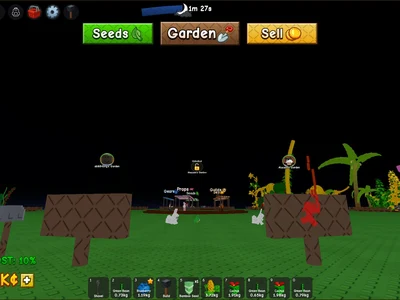
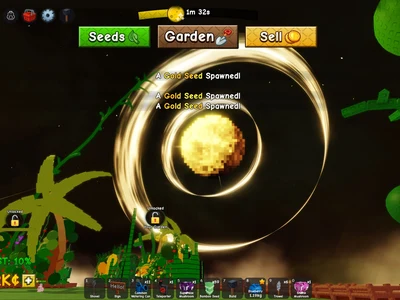
Take a fruit whose normal sale is 1,000 in its own currency, fresh, with friends counted. Deal payout = 1,000 × 2.2 = 2,200. That is the certain gain for taking the deal on that fruit: +1,200 over the normal sale. Now take the same fruit decayed to −80% on one GAG2 weather source’s figure: normal sale becomes 200, deal payout becomes 440, and both are worse than selling the fresh fruit normally at 1,000. Waiting for a deal while a fruit decays is how a certain 2.2x becomes a certain loss, and the worked example shows why freshness is checked before the deal, not after it.
Daily Deal Versus Double or Nothing
Double or Nothing Odds, As Reported
Double or Nothing stakes an entire sale on a single flip: win and the payout doubles, miss and the whole sale is lost, at 49% win and 51% bust on one model’s figures. Its expected value is below the sale itself before any edge: 0.49 × 2 = 0.98. A gamble with an expected value below 1 is a losing proposition repeated, however exciting a single win feels.
Deal Safety Versus Flip Risk
Daily Deal is certain: 2.2x on one fruit, subject to cooldown and freshness. Double or Nothing is a gamble, not a calculation: its outcome is decided by chance, and no formula makes its expected value positive at the reported odds. This page labels the flip as gambling, not as a strategy, because calling a negative-expectation gamble a strategy misleads every reader who follows it.
When the Deal Is Not Worth It
Decayed Fruit or Wrong Mutation
The deal is not worth it when the fruit is decayed enough that its deal payout falls below a fresh normal sale, when the fruit carries the wrong mutation for its purpose and the deal merely multiplies a mistake, or when the plot and cooldown could serve a better fruit. A deal taken on the wrong fruit blocks the cooldown for the right one, and a cooldown spent badly is a cost the deal payout does not show.
Currency Check: Sheckles or Leaves
Garden Valley Versus Fall Harvest
A Garden Valley deal pays in Sheckles. A Fall Harvest deal pays in Leaves. The two never convert, and a deal judged in the wrong currency is judged in the wrong economy. Check the fruit’s world tag before the deal, because a Leaves deal cannot buy Sheckles items, however large its number looks.
Mistakes With Daily Deals
Applying 2.2x to Whole Harvests
Applying the deal multiplier to a whole harvest is the commonest daily deal error, and it overstates the payout by the harvest size. The deal is one fruit. Price one fruit, multiply one fruit, and compare one fruit.
Forgetting Decay Before Comparing
Comparing a fresh normal sale with a decayed deal payout, or a decayed normal sale with a fresh deal payout, lets decay decide the answer without appearing in it. Price both sides at the same freshness, and reprice after watering where the model allows, before deciding.
Frequently Asked Questions
A GAG2 mechanic that buys one fruit at 2.2× its usual sell value on a cooldown, on gag.gg’s figures. It is a single-fruit deal, not a whole-harvest multiplier.
Fall Harvest uses the same sell formula on gag.gg’s model, so the deal mechanic applies in both worlds — but the payout currency follows the world (Sheckles in Garden Valley, Leaves in Fall Harvest), with no conversion between them.
Enter the fruit’s normal sell value (from the GAG2 value calculator) and the tool shows the Daily Deal payout at 2.2×, so you can compare selling now vs waiting for the deal window.
Daily Deal is a certain 2.2× on one fruit; Double or Nothing is a 49% chance to double an entire sale (expected value below 1× before any edge). The page recommends the certain deal for risk-averse selling and labels the flip as negative-expectation gambling.
No: Fruit Price Stock is a separate multiplier system (×1.00 baseline on gag.gg’s calculator; Big ×2 / Mega ×4 refreshing every 10 minutes on the stock-predictor page). Do not stack the two as if they were one bonus without checking the page’s own formula.
Enter the fruit’s normal sell value (from the GAG2 value calculator) and the tool shows the Daily Deal payout at 2.2×, so you can compare selling now vs waiting for the deal window.
Conclusion: Deal on One Fruit Only
Take the deal on one fruit, when its payout beats the normal sale at the same freshness, in the right currency, and without blocking a better use of the cooldown. Otherwise sell normally, water the fruit, or wait for a better fruit. A deal is a comparison, not a celebration, and this page exists to make that comparison honestly.