
Pet Data Page
Kitsune: Nine-Tailed Chakra Thief
Last updated: November 3, 2026
Kitsune is the nine-tailed fox of Grow a Garden, and it plays a different game from most pets. It does not boost your own crops. It visits another player’s garden, mutates a fruit there, and brings a copy back to you. That steal-and-mutate loop is why Kitsune commands attention far beyond its hatch chance.
| Kitsune at a glance | Detail |
|---|---|
| Ability | Visits another player’s garden, mutates a fruit, brings a copy home |
| GAG1 steal interval | About every 22 minutes (ability text) |
| GAG2 steal rule | At night, from empty gardens (different conditions from GAG1) |
| Standard mutation | Chakra |
| Rare variant | Foxfire Chakra |
| GAG1 source | Zen Egg, 0.08% (reported) |
| GAG2 source | Fall Egg, about 0.1% Secret (reported) |
Kitsune Nine-Tailed Steal Cycle
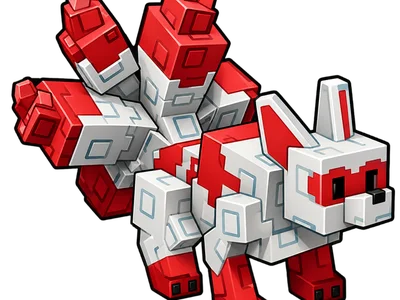
In the original game, Kitsune targets another player’s fruit about every 22 minutes. It applies a mutation to that fruit and returns a copy to its owner. The copy is the point: you gain a mutated fruit without growing it yourself. In Grow a Garden 2, the steal works at night and from empty gardens, which is a different set of conditions. Do not mix the two games’ rules when you plan around Kitsune.
Chakra vs Foxfire Chakra
Kitsune applies two mutations, and confusing them is expensive. Chakra is the standard result. Foxfire Chakra is the rarer, stronger variant. A trade priced on Foxfire numbers but delivering Chakra is a bad trade, so always name which mutation you mean.
Chakra Multiplier Source Conflict
Chakra’s multiplier is reported differently across games and sources. Opened GAG1 pages put Chakra at 15x. GAG2 pages report Chakra at about 60x. Some sources list even higher figures. This article does not pick one number as the Chakra multiplier, because the correct number depends on which game you mean and which source you trust. State the game first, then the number.
Foxfire and Harmonized Foxfire Values
Foxfire Chakra sits far above standard Chakra. One source puts Foxfire Chakra at 90x and Harmonized Foxfire Chakra at 190x. Those are single-source figures, so treat them as reported, not confirmed. The gap between 15x and 190x is exactly why you must name the mutation in every trade: the same pet can return fruit worth wildly different amounts.
Kitsune Giant Pumpkin Problem
Giant Pumpkin looks like the perfect Kitsune target. It is huge, valuable, and everywhere. It is also, by test evidence, a trap.
30 Steals, Zero Chakra Hits
One opened test reports more than 30 Kitsune steals on Atlantic Giant Pumpkin with zero Chakra hits. The test concludes Giant Pumpkin is mutation-locked for Chakra. That is a test finding, not a confirmed developer rule, but it is strong enough to change behaviour: stop farming Giant Pumpkin for Chakra.
Amber Cranberry Working Target
The same opened test reports Amber Cranberry producing Chakra hits. That makes Amber Cranberry the confirmed working target in that test. The lesson is practical, not theoretical: point Kitsune at crops where Chakra has actually landed, and keep Giant Pumpkin for other mutations. A same-weight comparison makes the point concrete — a Chakra fruit at a given weight is worth its Chakra multiplier times its base value, while a locked crop returns nothing no matter how many steals you run.
GAG1 Kitsune vs GAG2 Kitsune
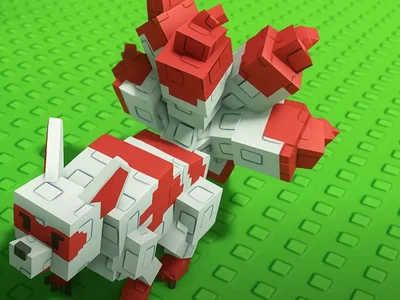



GAG1 Kitsune and GAG2 Kitsune are different pets in different games. They share a name and a fox shape. Their eggs, chances, steal rules and Chakra numbers differ. Every Kitsune claim in this article belongs to one game or the other, and any guide that merges them will mislead you on price, timing, or both.
Zen Egg vs Fall Egg
In GAG1, Kitsune comes from the Zen Egg at a reported 0.08%. In GAG2, it comes from the Fall Egg at about 0.1% as a Secret pet. Both chances are community-reported, not in-game verified. Both are low enough that most players will trade for Kitsune rather than hatch it.
Kitsune Age, Weight and Hunger
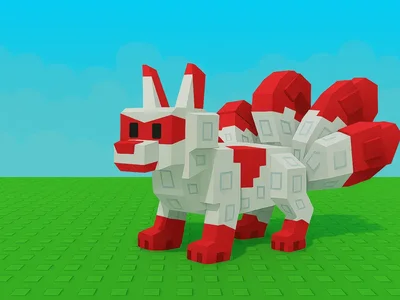
No confirmed hatch weight for Kitsune is given in the sources used here, so weight is shown as a multiple of hatch weight. Hunger is reported at around 50,000 in the structure notes; treat that as a community figure, not a measured value.
Hunger Near 50000
Hunger near 50,000 means Kitsune needs regular feeding to stay active, on the structure’s figure. Check the in-game hunger bar before a long session, because a hungry pet does not work at full effect in most pet systems.
Kitsune Trading Premium
Kitsune trades at a premium for three reasons that stack. It is rare to hatch. Its ability creates mutated fruit out of other players’ gardens. And its rare variant, Foxfire Chakra, multiplies value far beyond standard Chakra. Price any Kitsune trade by naming the game, the mutation, and the fruit it returns. A trade that names none of those three is not priced at all — it is guessed.
| Age | Weight (as a multiple of hatch weight H) |
|---|---|
| 1 | 1.00 × H |
| 10 | 1.82 × H |
| 25 | 3.18 × H |
| 50 | 5.45 × H |
| 100 | 10.00 × H |
Frequently Asked Questions
It visits another player’s garden, mutates a fruit with Chakra (or rarely Foxfire Chakra), and brings a copy back to its owner, on the GAG1 ability description carried by the opened pages.
Chakra is the standard Kitsune mutation, while Foxfire Chakra is its rarer, higher-multiplier variant; opened GAG1 pages put them at 15x and 90x, while GAG2 pages report Chakra at about 60x, so always state which game you mean.
One opened GGWTB test reports 30+ steals with zero Chakra hits and concludes Giant Pumpkin is mutation-locked for Chakra; that is a test finding, not a confirmed developer rule, but it is the reason to stop farming that crop for Chakra.
Amber Cranberry, which the same opened test reports producing Chakra hits within the first few steals after the Giant Pumpkin failure.
GAG1 from the Zen Egg at 0.08%, and GAG2 from the Exclusive Fall Egg at about 0.1% as a Secret-rarity pet; the two eggs, rates, and games must not be merged.
About every 22 minutes on the GAG1 ability text, and at night from empty gardens in the GAG2 version; the two games use different steal conditions, so the interval and the night rule belong to different versions.