Last updated: November 3, 2026
Grow a Garden 2 Beginner Guide
Grow a Garden 2 is a separate game, not an update to the first one. Your first 30 minutes should be spent learning its own rules: its own seeds, its own pets, its own value math, and its own night-time stealing. This guide covers exactly that, and nothing from the first game that does not apply here.
First: GAG2 Is a Separate Game
This is the single most important fact for a beginner. Everything that follows depends on it.
No Progress Transfer From GAG1
No pets, no Sheckles, no crops, and no progress transfer from Grow a Garden 1 to Grow a Garden 2. You start fresh. Players who expect their first-game wealth to carry over lose their first days to confusion. Start fresh on purpose, and judge every purchase by second-game prices, not first-game memories.
GAG1 Codes, Crops, Pets: No Carryover
GAG1 codes do not work in GAG2, and GAG1 crop and pet guides do not describe GAG2 crops and pets. Even crops with the same name can have different prices, weights, and values in the second game. Use GAG2 guides for GAG2, and treat any guide that mixes the two games as unreliable for both.
Your First 30 Minutes in GAG2
Your first half hour sets up your first day. Spend it on seeds, not shopping.
Starter Seeds and Your First Sheckles
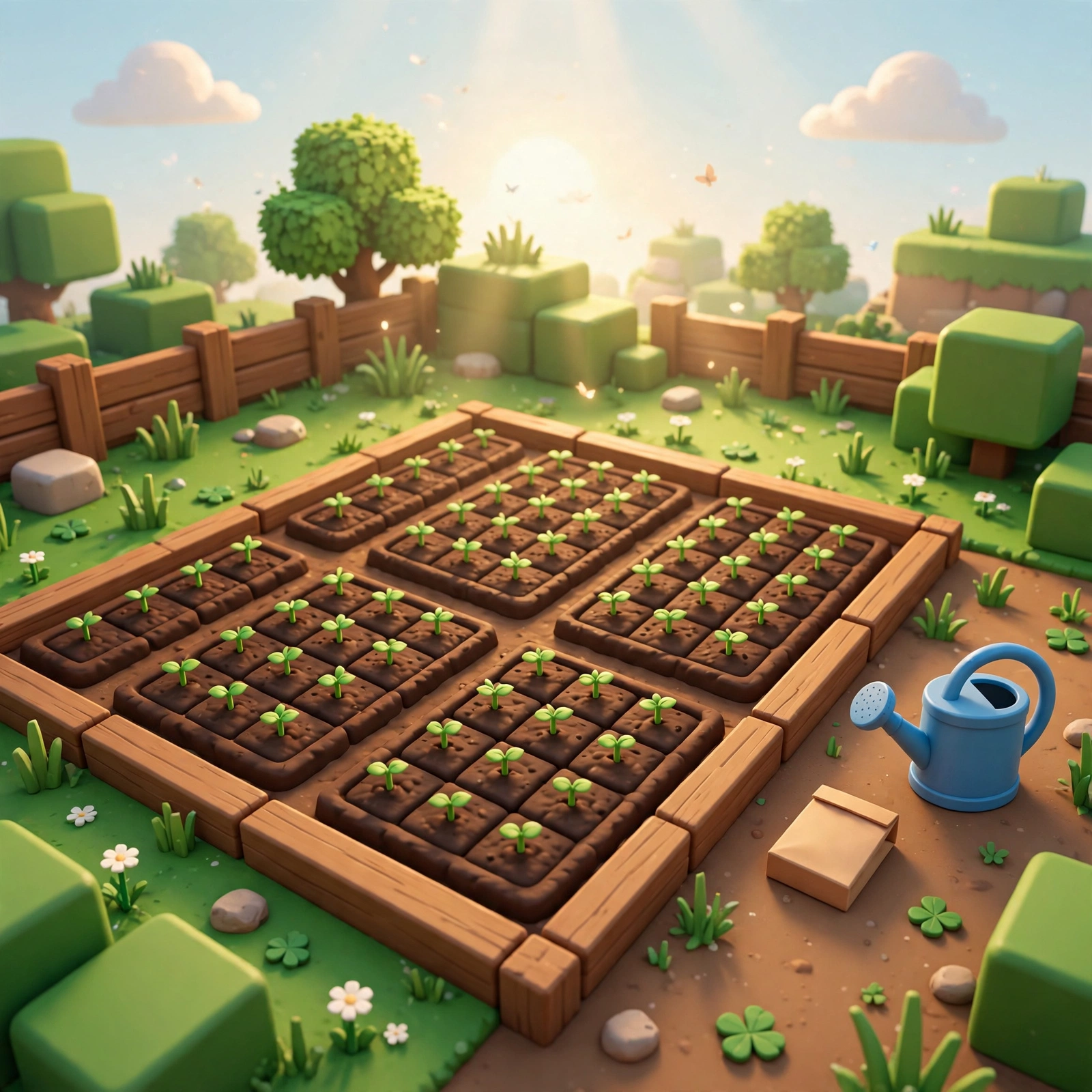
Plant your starter seeds immediately, harvest the first crop, and sell it. Your first Sheckles come from that first harvest, not from trading or codes. Reinvest them in more seeds right away. The early loop is plant, harvest, sell, replant, and every minute your plots sit empty is a minute of lost income.
What to Buy First, Skip Rest
Buy cheap multi-harvest starter seeds first. They pay back over many harvests instead of one. Skip expensive single-harvest seeds, premium items, and anything whose value you cannot check yet. Early Sheckles are scarce, and a single bad purchase can cost you a day of progress. If a seed's value is unclear, skip it and check a GAG2 value page before buying.
How GAG2 Pets Work Differently
GAG2 pets do not come from eggs the way first-game pets do. That changes how you collect them and how you plan for them.
Map Spawns Instead of Egg Hatching
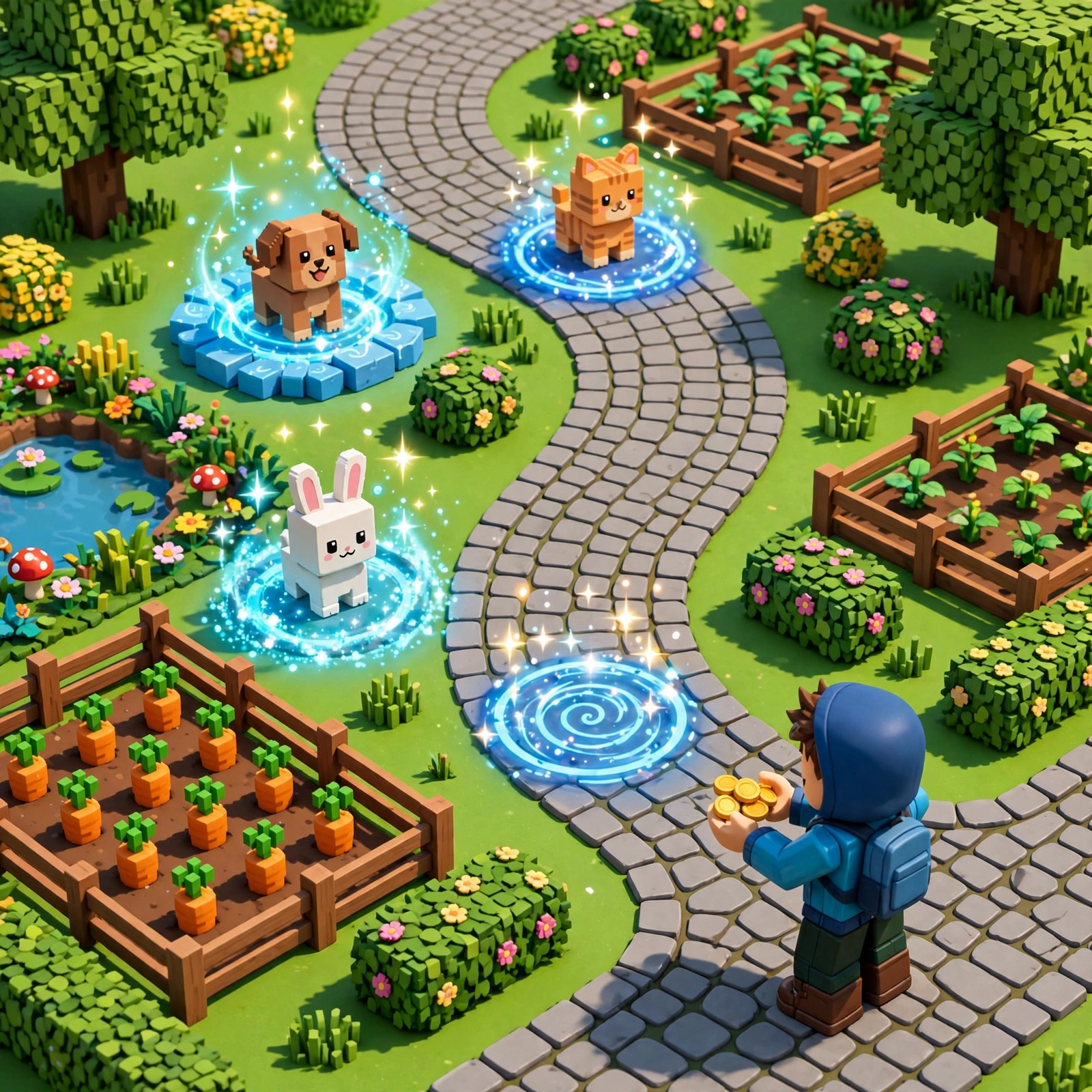
In Grow a Garden 2, pets spawn on the map and you buy or catch them there, instead of hatching eggs. That means pet hunting is about watching spawn locations and having currency ready, not about waiting on egg timers. Learn the spawn spots for the pets you want, and keep Sheckles free for a spawn when it appears.
Early Pets Worth Saving For
Save for early pets that help your farm or your defence, not for the rarest pet you saw in a video. A pet that speeds growth, adds a useful mutation, or defends at night pays for itself. A rare pet with no job is a trophy. Early on, jobs beat trophies, and the GAG2 pet guides name the early useful pets by role, not by rarity alone.
GAG2 Value Math: Changes From GAG1
This is where first-game players lose the most money. The math is different, and first-game habits give wrong answers.
One Mutation Only in GAG2
In Grow a Garden 2, a crop carries one mutation only. There is no stacked bracket of many mutations like in the first game. That single fact changes everything: mutation choice matters more, because you cannot add a second mutation to fix a bad first one, and value math uses that one multiplier, not a sum. Community guides also report that GAG2 multipliers differ from GAG1 ones — Gold at 10x in GAG2 against 20x in GAG1, Bloodlit at 60x or 70x in GAG2 against 4x in GAG1, and Aurora at 40x in GAG2 against 90x in GAG1. Do not import first-game multipliers into second-game math.
Weight, Freshness and the Single-Harvest Rule
GAG2 value math also uses a different weight exponent, reported around 2.65 against the first game's squared weight, and a single-harvest keep rule: a single-harvest crop keeps only part of its mutation value, reported as 15% by some sources and 25% by others. That conflict is unresolved in community sources, so do not quote one figure as settled. The practical lesson is stable either way: in GAG2, weight matters more steeply, freshness matters, and single-harvest crops are worth less than their mutation suggests. Check the current GAG2 calculator before any big sale.
Day and Night: Stealing, Defense, Day One
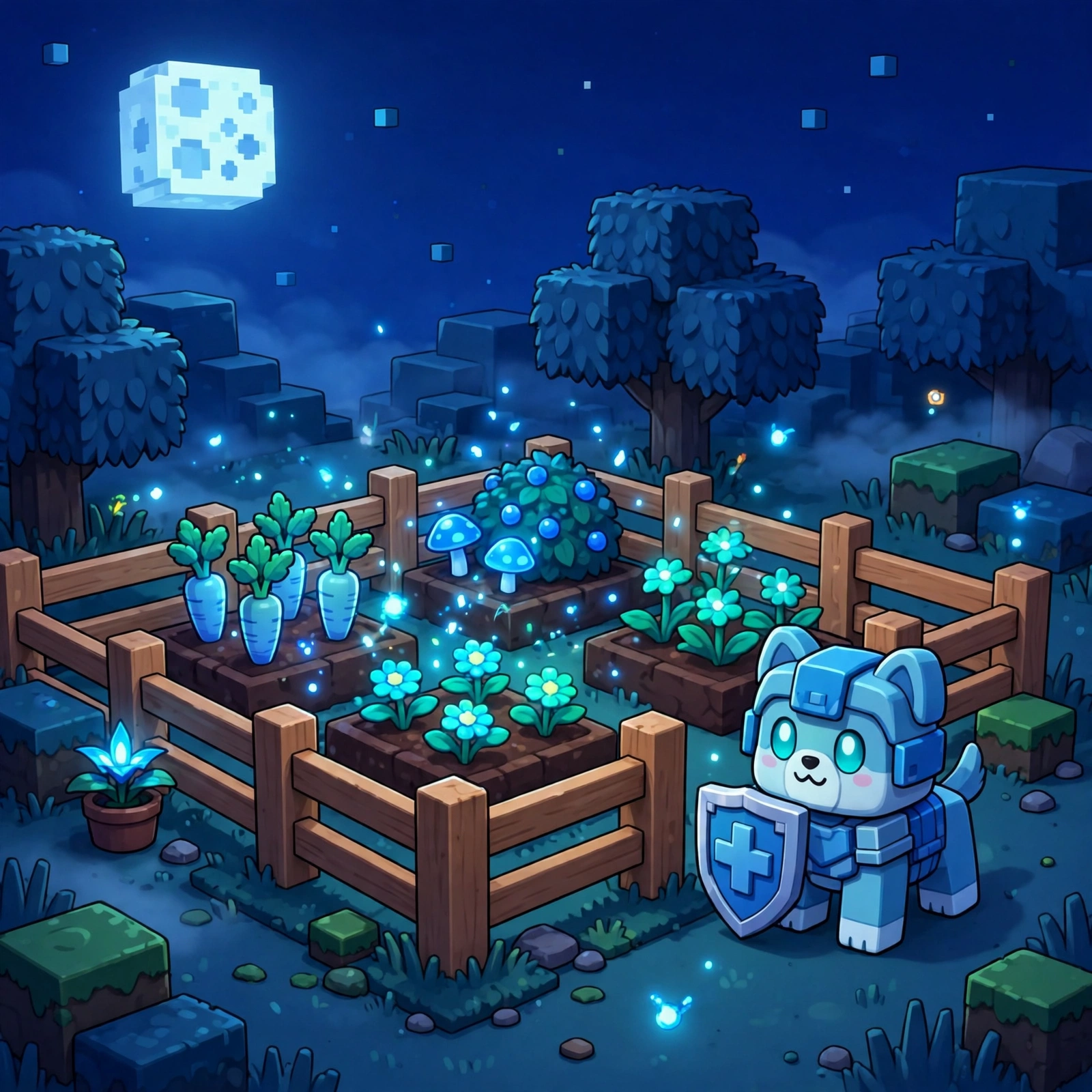
Night in Grow a Garden 2 is not decoration. It is when stealing happens, and beginners lose crops to it from their first night.
Night Window: What Can Be Stolen
During the night window, other players' pets can steal from your garden. Crops left unharvested overnight are at risk, especially high-value ones. Harvest before night when you can, and do not leave a valuable mutated crop sitting out overnight if you can sell it instead.
Basic Defenses Before Your First Night
Before your first night, set up basic defences: defensive pets or plants where the game provides them, and a harvest routine that clears valuable crops before dark. Defence does not need to be perfect on day one. It needs to exist. A garden with no defence is the easiest target on the server.
Guilds, Weather and Events for Beginners
Join a guild early if the game offers one. Guilds give shared knowledge, event help, and sometimes shared effort rewards that solo players cannot reach. Watch weather and events from day one, because weather mutations and event seeds shape what is valuable each week. A beginner who ignores weather will sell plain crops during a mutation window and wonder why others earned more.
GAG1 Habits That Hurt in GAG2
The harmful first-game habits are: stacking mutations that do not stack, using first-game multipliers, expecting egg hatches, trusting first-game codes, and pricing crops by first-game values. Each one loses Sheckles or time in the second game. Unlearn them deliberately, and check every habit against a GAG2 source before trusting it.
| GAG1 habit | GAG2 rule | Result if you keep the habit |
|---|---|---|
| Stacking many mutations | One mutation only | Wrong values on every crop |
| Hatching eggs for pets | Map spawns instead | Wasted wait on eggs that do not exist |
| Using GAG1 codes | GAG2 codes are separate | Codes that simply do not work |
| Pricing by GAG1 values | GAG2 scale and exponent differ | Overpaying or underselling |
Patch and Freshness Check
Grow a Garden 2 changes fast, and beginner guides go stale quickly. Before trusting any price, multiplier, or spawn location in this guide, check a recently updated GAG2 page and the current patch notes. A guide that was right last month can be wrong about the exact numbers today.
Conclusion
Start fresh, learn the second game's own rules, plant cheap multi-harvest seeds first, save for useful pets, use one-mutation math, and defend before your first night. Grow a Garden 2 rewards players who treat it as its own game, not as a copy of the first one.
Frequently Asked Questions
No. Grow a Garden 2 is a separate game with its own seeds, pets, value math and night rules. Nothing from the first game carries over, and guides written for the first game do not describe the second game.
No. No pets, Sheckles, crops or progress transfer from Grow a Garden 1. You start fresh in Grow a Garden 2 and judge every purchase by second-game prices.
No. A crop in Grow a Garden 2 carries one mutation only. There is no stacked bracket of many mutations as in the first game, so mutation choice matters more and value math uses that one multiplier.
Crops lose freshness over time and decay lowers their sell value. Watering before picking or selling gives the best chance of the high end of the value range, and if a mutation hits, sell-value decay resets to fresh even if the crop still looks decayed.